
01🔎
Check the download source
Verify the site and installation file. Be wary of lookalike domains and messages asking for recovery words. Stop if anything feels rushed.
Read the guide ↗Explore self-custody, local keys, offline backups and multi-network asset views. Build a safer routine from setup through transaction review.
Explore getting started ↗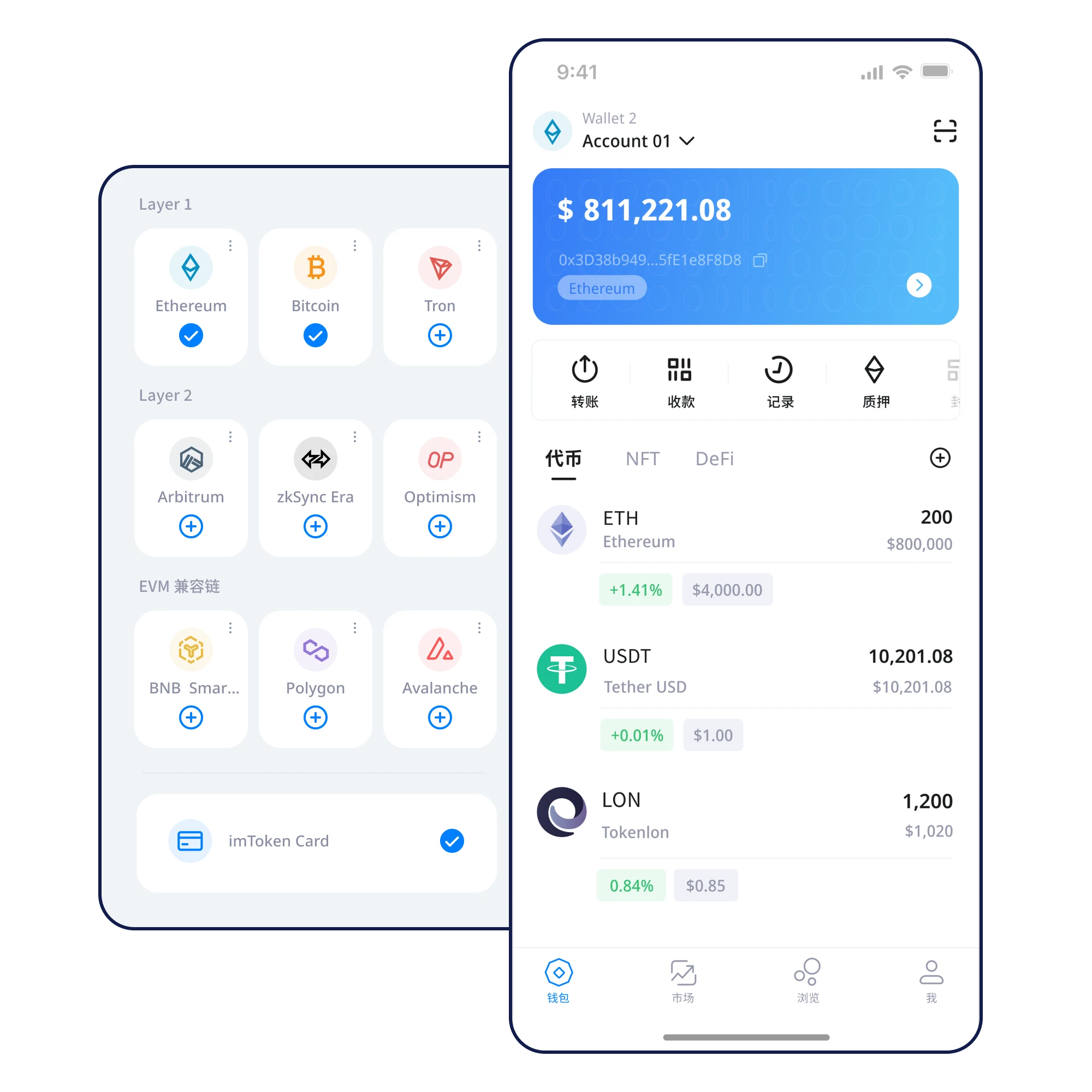
All figures and controls are illustrative, not live balances or a claim of available features.
Matching token names do not guarantee matching networks. Confirm the destination chain and recipient support.
Organize assets across networks↗Verify the site and installation file. Be wary of lookalike domains and messages asking for recovery words. Stop if anything feels rushed.
Read the guide ↗Check device updates and permissions, create or import through a trusted workflow and protect access before moving assets.
Read the guide ↗Write each word in order and check for spelling mistakes. Never take screenshots or send the phrase through chat or email.
Read the guide ↗Store recovery credentials offline, consider loss and unauthorized access, and make sure your backup procedure is usable.
Read the guide ↗Distinguish chain, contract and token symbol. Verify token details independently before trusting an asset view.
Read the guide ↗Recheck recipient, network, asset, amount and fees. Read permissions carefully and consider a small test transfer.
Read the guide ↗Local key management means responsibility stays with the person holding the credentials. Review device access, backup and signing safeguards.
How local key management works↗
Restore only with a trusted wallet application and a verified backup. Enter recovery words solely inside a local, trusted recovery flow.
Restore access from a secure backup↗
Warnings support your judgment but cannot promise safety. Read transaction details and pay attention to approvals, destinations and network changes.
Understand transaction risk alerts↗
Treat recovery credentials as highly sensitive.
Review chain, address and amount before signing.
Validate your backup plan before a device fails.
Move at your own pace, from protecting recovery information to understanding networks and transfers.
Start with a trusted setup flow, protect the device and make sure you can safely store the recovery information before adding funds.
Create your first wallet↗Token names can repeat across chains. Identify the network and token contract before adding or transferring an asset.
Organize assets across networks↗Before confirming a transfer, review the chain, recipient, asset, amount and fees. Consider a small test transfer when appropriate.
Review the network, recipient and amount↗Confirm your backup before switching devices. Verify access on the new device and securely handle any wallet data left on the old one.
Move to a new device with care↗Fake domains, impersonated support and malicious approvals can all lead to loss. Verify destinations and permissions, not just the look of a site.
Spot phishing links and unsafe approvals↗Look out for fake download links, phishing, recovery-phrase requests, wrong networks and changed clipboard addresses.
Spot phishing links and unsafe approvals↗Self-custody means the holder of the private keys or recovery phrase typically controls the assets. Verify the specific product and service terms before use.
Live balances and broadcasting transactions generally require connectivity. Writing down a recovery phrase offline does not.
Write them down in order and keep them offline in a secure place. Avoid screenshots, cloud drives and anyone claiming to be support.
A private key controls a particular account. A recovery phrase commonly recreates a collection of derived keys and accounts.
Check your source before installation and back up offline before sending assets. Never share your recovery phrase.
⬇ Download Now